
Kegs Vancouver: 7 Mistakes You're Making with Local Beer Delivery (And How to Fix Them)
Vancouver's craft beer scene is booming, but if you're running a bar, restaurant, or just love having fresh draft beer at home, you've probably faced some frustrating keg issues. Whether you're getting deliveries from local breweries or managing your own draft system, these common mistakes can turn your perfect pour into a foamy disaster.
The good news? Most of these problems are totally fixable once you know what to look for. Let's dive into the seven biggest mistakes people make with beer delivery in Vancouver – and more importantly, how to solve them.
Mistake #1: Getting Your CO2 Pressure All Wrong
This is probably the most common issue we see, and it's a real buzzkill – literally. When your CO2 pressure is set too high, you'll get nothing but foam. Set it too low, and your beer won't pour at all.
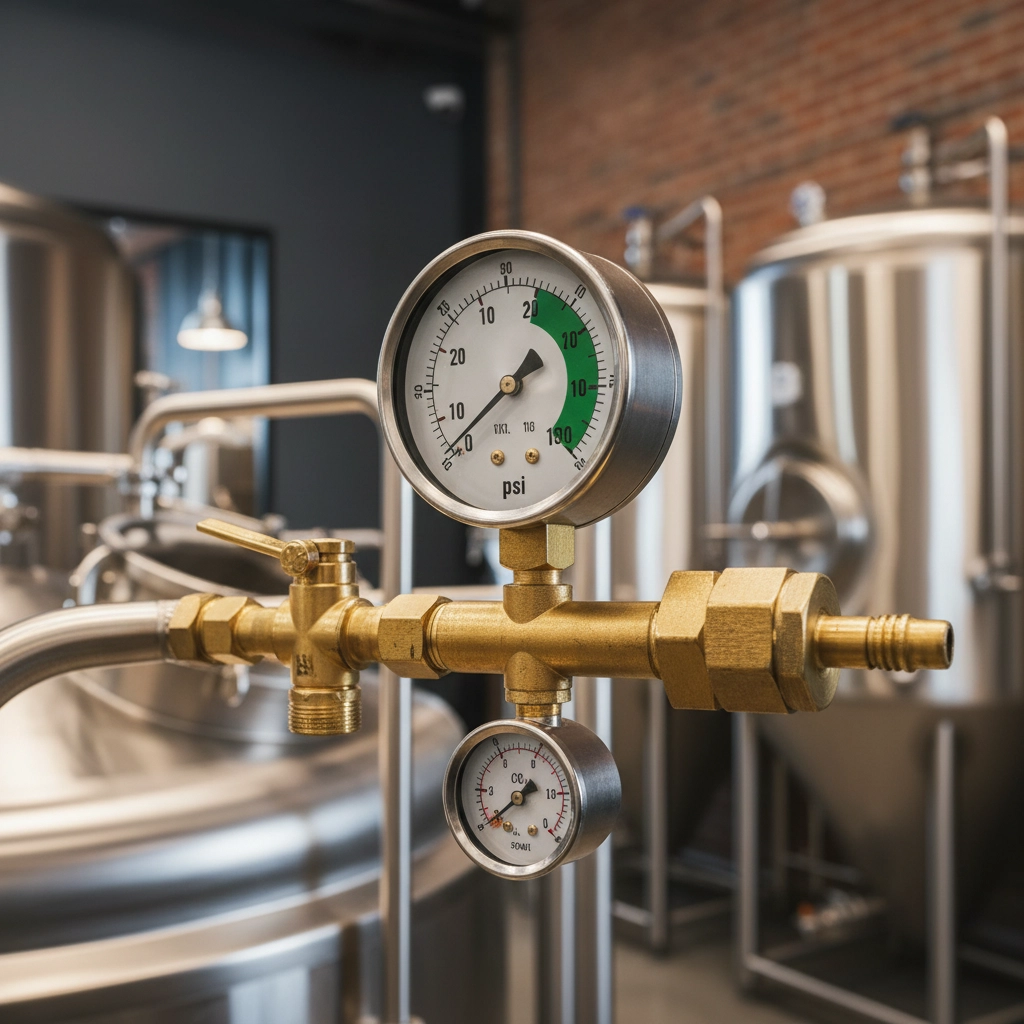
The fix is simpler than you think: Most beer kegs work best with CO2 pressure between 10-12 psi. Check that gauge on your CO2 regulator regularly. If you're getting excessive foam, dial it down. If beer isn't flowing, bump it up slightly.
Here's a pro tip from our experience with Vancouver establishments: different beer styles might need slight pressure adjustments, but 12 psi is your safe starting point for most local craft beers.
Mistake #2: Ignoring Your Beer Lines (Until It's Too Late)
Ever wonder why your beer tastes off even though you just tapped a fresh keg? Dirty beer lines are usually the culprit. These lines can get clogged with residue and even grow mold – gross, right?
Your solution: Clean those lines regularly with proper beer line cleaner. For busy establishments, this should happen every two weeks minimum. Home users can probably get away with monthly cleaning, but don't push it.
The cleaning process involves running cleaning solution through the entire system, letting it sit, then flushing thoroughly with water. It's not glamorous work, but your customers (and your taste buds) will thank you.
Mistake #3: Playing Fast and Loose with Temperature
Vancouver's weather can be unpredictable, and temperature swings wreak havoc on your beer quality. We've seen kegs that were stored too cold come out cloudy and flat. On the flip side, warm storage creates off-flavors and excessive carbonation.
Keep it consistent: Your refrigeration should maintain temperatures between 36-40°F. Invest in a reliable thermometer and check it regularly. If you're storing kegs in different locations, make sure they're all maintaining proper temperature.
During Vancouver's hot summer days or cold winter storage, pay extra attention to your cooling systems. A few degrees can make the difference between perfect pours and disappointed customers.

Mistake #4: Keg Coupler Confusion
Not all kegs are created equal, and neither are their couplers. Using the wrong coupler type or failing to engage it properly means no beer flows – period. This is especially common when venues switch between different brewery suppliers.
Know your couplers: Most North American craft breweries use American Sankey (D Series) couplers, but some European imports require European Sankey (S Series). Check with your supplier about what type they use.
When attaching the coupler, make sure it clicks into place properly. If you're unsure, give it a gentle twist – you should feel it lock in. A loose coupler won't seal properly and can cause all sorts of flow issues.
Mistake #5: Forgetting About Your Gas Supply
Picture this: busy Friday night, packed house, and suddenly your beer stops flowing. You check everything else, but forget the most obvious culprit – your CO2 tank is empty or turned off.
Stay ahead of the game: Keep a backup CO2 tank on hand, especially during busy periods. Check your gas gauge regularly, and if you notice pressure dropping, it's time to swap tanks.
For Vancouver establishments dealing with multiple kegs, consider a bulk CO2 system. It's more reliable than individual tanks and reduces the risk of running out during peak service times.

Mistake #6: Underestimating the Power of Clean Glasses
You might have the perfect keg setup, but dirty glasses can ruin everything. Residue from soap, oils, or previous drinks can make fresh beer go flat quickly and affect the taste.
Glass cleaning 101: Rinse every glass with cold water before pouring. Use proper glass washing techniques – hot water wash, cold rinse, air dry. Avoid using towels to dry glasses, as they can leave residue that affects head retention.
This might seem basic, but we've seen too many Vancouver establishments with perfect draft systems serving beer in less-than-perfect glasses. Your customers notice the difference, even if they don't always say something.
Mistake #7: Poor Keg Inventory Management
The pandemic really highlighted this issue in Vancouver. Direct Tap's Fraser Street facility ended up storing over 80,000 empty kegs when restaurant sales dropped dramatically. While that's an extreme example, poor inventory tracking creates problems at any scale.
Stay organized: Keep track of which kegs are full, which are running low, and which are empty. Sometimes kegs appear empty when they're just blocked by other kegs or need repositioning.
Implement a simple tracking system – even a whiteboard works for smaller operations. Know your typical consumption patterns and order accordingly. Running out of popular local craft beers on a busy weekend isn't just frustrating; it's lost revenue.

Getting Your Beer Line Length Right
Here's a bonus mistake that often gets overlooked: using beer lines that are too long or too short. For most draft setups, 5-6 feet of beer line provides the right amount of resistance for a proper pour.
Too short, and you'll get turbulence and foam. Too long, and the beer sits in the lines too long, potentially picking up off-flavors. If you're setting up a new system or troubleshooting flow issues, line length might be your answer.
The Vancouver Advantage
Working with local suppliers gives you a huge advantage in avoiding these mistakes. Vancouver's craft beer community is tight-knit, and most suppliers are happy to help troubleshoot issues. Companies like those serving our city's 80+ craft breweries understand local challenges and can provide targeted solutions.
Don't be afraid to reach out to your keg delivery service with questions. Most suppliers prefer helping you maintain quality rather than dealing with complaints later.
Quick Troubleshooting Checklist
When beer issues arise, work through this checklist systematically:
- Check CO2 pressure and gas supply
- Verify keg coupler engagement
- Test beer line cleanliness
- Confirm proper temperature
- Inspect glass cleanliness
- Review recent equipment changes
Most problems fall into one of these categories, and methodical troubleshooting saves time and frustration.
The key to great draft beer in Vancouver isn't just about having quality kegs delivered – it's about maintaining your entire system properly. Fix these seven common mistakes, and you'll be pouring perfect pints that showcase what our amazing local craft breweries are creating.
Remember, every problem has a solution, and most are simpler than they initially appear. With proper maintenance and attention to detail, your draft system can deliver consistently excellent beer that keeps customers coming back for more.